
The Illusion of Change vs. the Reality of Behaviour
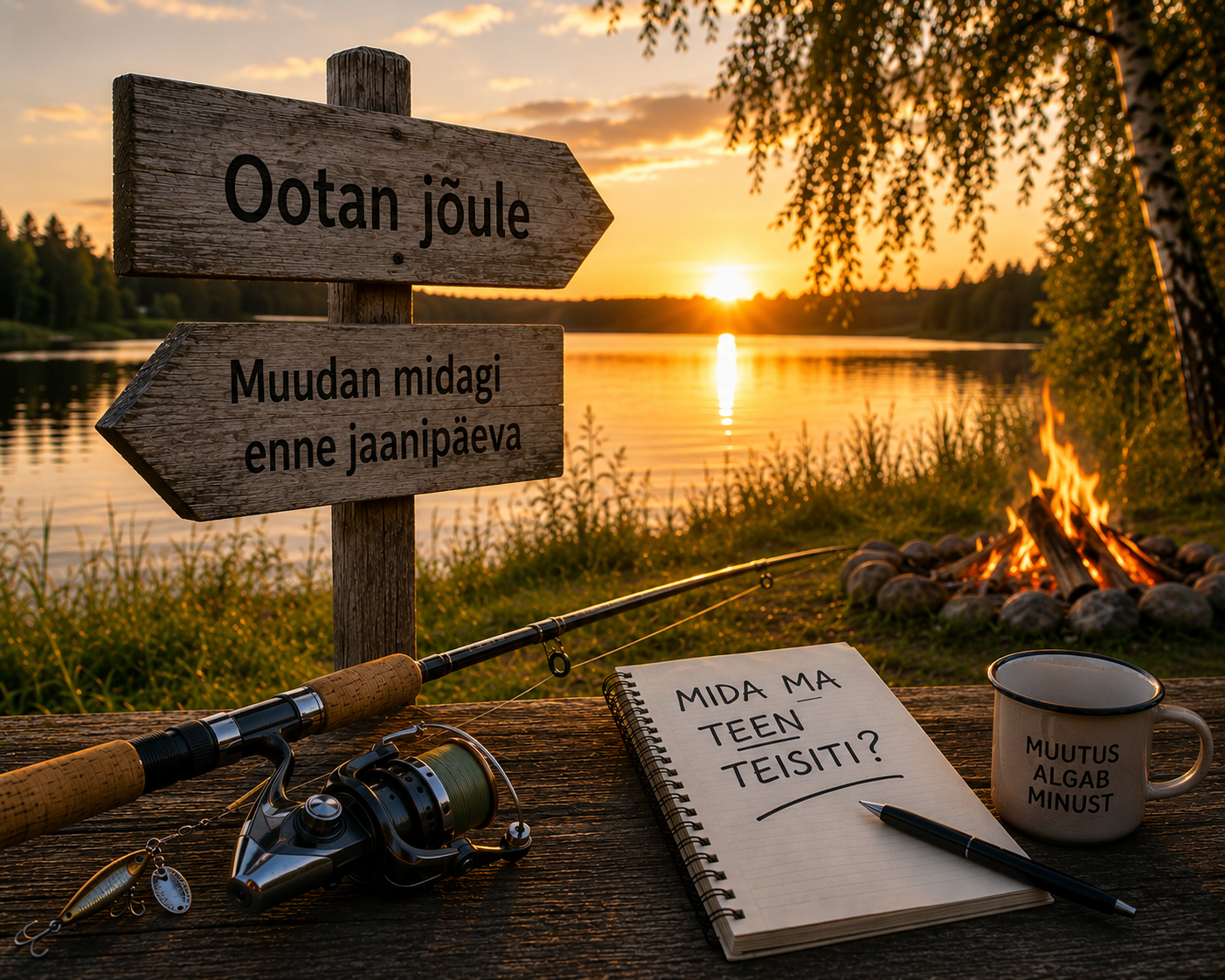
Summer is here. Only a few days remain until Midsummer. A good moment to pause and ask yourself: will anything in your work actually change or are you already quietly waiting for Christmas?
The same question applies to organizations. Many changes are merely cosmetic adjustments on paper. Management makes a decision, creates a process, writes a guideline and heads off to the Midsummer holidays with peace of mind. After all, the work has been done. It is a comfortable form of self-deception.
A change is merely a decision to do something differently. An intellectual exercise conducted in a meeting room. Real transformation begins where the spreadsheet ends — at the moment when people genuinely start behaving differently. If behaviour does not change, no change has taken place. What has taken place is simply a waste of resources.
We have become accustomed to solving problems with PowerPoint, but such a PowerPoint has neither power nor point.
Change is not created on slides, it is created through the quality of dialogue and relationships. Drama within a team is often nothing more than an unexpressed need, not deliberate resistance. If you are riding a dead horse, the most rational thing to do is get off, not buy a new saddle. Yet we cling to the old because uncertainty scares us more than an inefficient routine.
As a leader, your role is not to convince others that the new plan is good. Your role is to help them understand why the old way no longer serves its purpose and to create an environment where acting differently feels safer than standing still. Culture does not change through a policy document. It changes when the next conversation by the coffee machine reflects a new value instead of an old fear.
So ask yourself: are you already waiting for Christmas or is there something you will genuinely do differently by Midsummer?