
- New strategy
- Structural change
- AI implementation
- Process change
- Merger
- New business direction
- Innovation
- Breaking out
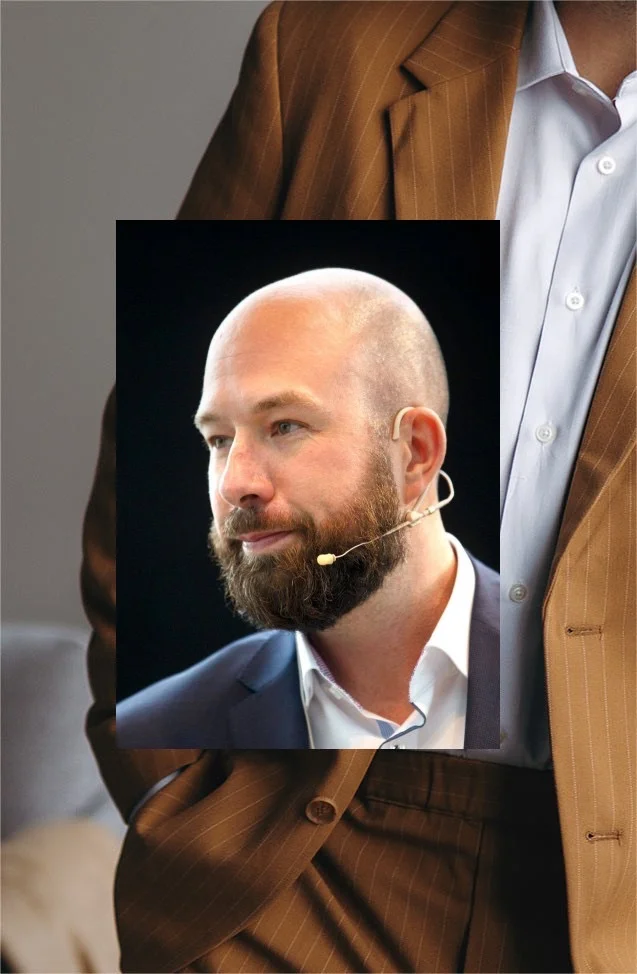
CHANGE MANAGEMENT TRAINING FROM CHANGE TO TRANSFORMATION
Practical training for leaders who want to be confident that they are changing the right thing, people are on board and the new way actually works.
Significant changes usually don't fail because of the idea itself. They fail in implementation. A leader's task is not simply to announce change. A leader's task is to change people's behavior, build trust, manage resistance, and truly transform the organization's way of operating. This is practical change management training for leaders and organizations who cannot afford to have important changes fall short or fail to achieve desired results.
In 4 situations where we often assume that change management for changes is an elementary skill for every manager. Unfortunately, it is not.
Like many other management skills, the ability to plan and implement change successfully requires deliberate development. Do any of these situations sound familiar? Then this training is for you.
01
Change is coming
Reduce the risk of failure.
Significant change is on the horizon and it is necessary for business. You cannot afford to have leaders start without being able to think through the change before launch, make risks visible, and involve the right people.
02
Change has begun
Help leaders succeed.
The plan is in place, but the result now depends on the leaders. Can they maintain focus, manage resistance, and actually drive people to new behaviors?
03
Change is not working
Find the real problem.
Momentum has slowed, people aren't coming along, the organization is stuck. You need to quickly understand where the problem really lies and get the change moving again.
04
You are at a dead end
Find the right change.
Business results have stalled. We need to identify the uncomfortable problems that will help us out of this, plan the right change, and engage people to lead and implement it.
Why Do Changes Fail?
Not because people don't want to change.
Usually the problem is not in the change itself.
The problem is that leaders:
- solve the wrong problem
- involve people too late
- neglect communication for change management
- fear resistance
- believe that a new process automatically means new behavior
Why two words
Change is a decision.
Transformation is what actually happens.
First step
Change
is a conscious action or decision to do something differently.
Actual result
Transformation
is the real and lasting impact of that action on people and the organisation.
Most changes get stuck between the first and the second. The slides are made, the decision is written down, but people continue doing things the way they did before.
This training deals with exactly that gap.
Who is this training for? Who is it not for?
This training is for you if…
- you are a 30+ employee organization with an ongoing or upcoming organizational change
- leaders bear real responsibility for implementing the change
- the success of the change has a clear business impact and you cannot afford to fail
- you value both performance and people equally
This training is not for you, if…
- people are seen in the organization primarily as a resource
- the human side of change management is not considered important
- you are looking for a ready-made recipe to implement without understanding the context
- you want only a training day, without actual change
Result
What do you do differently as a leader after training?
- Able to assess whether the right thing is actually being changed
- Plan the change comprehensively and realistically through
- Involve the right people at the right time, not too late
- Use resistance as valuable input, not as an obstacle
- Conduct difficult 1:1 conversations, do not avoid them or fear people's emotions
- Move from the change decision to actual new behavior
What does a training day look like?
A training day with Sten is a full working day for leaders. Presentations with real-life examples. Participants work with real management situations, discuss, practice conversations and apply what they've learned to their organization's change initiatives.
Each participant receives 3 practical OnePagers to take with them. These are tools for planning and implementing the following changes, not a memento from the training.
METHODOLOGY FOR MANAGING RAPID CHANGES
Step 1
Notice the correct change
Don't beat a dead horse. Find the real problem behind the symptoms and articulate a change that creates genuine value.
Result
The leader can distinguish a symptom from the actual problem and make better decisions for change.
Step 2
From person to person
Don't fear drama. Lead it. Understand resistance, hold better 1:1 conversations, and bring people meaningfully into change.
Result
The leader can conduct complex conversations, build trust, and engage people even when they disagree with change.
Step 3
3T framework: Knowledge. Will. Action.
Transform knowledge into understanding, understanding into will, and will into new behavior.
Result
The leader gains practical system change planning, implementation, and support for behavior change.
WHY (JUST) STEN?
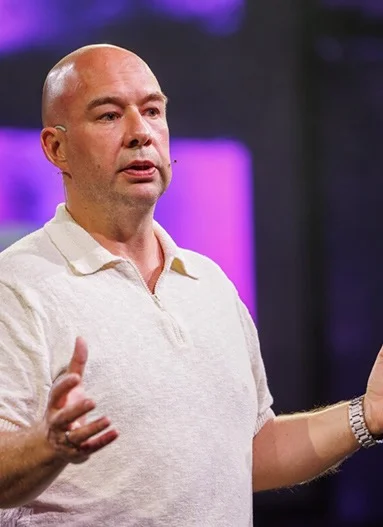
A leader who has led changes himself
Sten does not teach change management as a bystander. Over nearly 20 years, he has led large organizations, been responsible for hundreds of people, growth, profitability, strategic decisions, and complex transformations. His experience does not consist of successes alone. It also consists of mistakes, overly optimistic plans, difficult people, resistance, and decisions for which he had to take personal responsibility as a leader.
- From practice to practice
- Business performance × human approach
- Honest questions are part of Sten's DNA.
My buckets for your sake.
This is the principle of Sten's training. To share real management experience so that the next leader doesn't have to learn all the same lessons on their own.
#1
Too optimistic a plan. Forgotten that people need time.
#2
It was assumed that people would automatically come along.
#3
I wanted change faster than the organization could handle.
#4
The wrong problem was solved. The real one remained unseen.
#5
Avoids drama and complex emotions.
One day. Dynamic pricing.
DURATION
1 day
If needed, we can adjust the format according to your organization's requirements.
TARGET GROUP
From Top Specialist to Top Manager
Everyone responsible for planning and implementing change.
IN-HOUSE TRAINING
2800–3500 €
One training day for your managers. Dynamic pricing depends on the scope of preliminary work and group size.
OPEN TRAINING
490 €
Per participant.
Room and catering are added to the price.
TRUST IS NOT BORN FROM WORDS
FREQUENTLY ASKED QUESTIONS
What is the difference between change and transformation?
Change is a conscious action or decision to do something differently. Transformation is the actual and lasting impact of this action on people and organizations. Training teaches leaders to drive decisions into actual new behavior.
Who is this training intended for?
For leaders from top specialists to top executives who are responsible for planning and implementing change. Organizations with 30+ employees benefit the most from this, where change is ahead, in progress, or stalled.
Is this a management training or change management training?
Both. From Change to Change is a practical leadership training focused on change management: how a leader thinks through change, engages people, deals with resistance, and conducts difficult 1:1 conversations. These are the everyday skills of a leader that are practiced here in the context of change.
How long does the training last?
One full working day. We will adjust the format according to the organization if needed.
How much does the training cost?
In-house training for organization leaders: €2,800–3,500 per day. Dynamic pricing depends on the scope of preparatory work and group size. Open training: €490 per participant. Room and catering are additional to the price.
What does a training day look like?
Presentations with real-life examples, discussions, exercises and practice with 1:1 conversations on actual management situations. Learning is applied immediately in the context of change within your own organization.
What are the 3 OnePagers that a participant can take away?
Three practical tools that a manager can use immediately to plan and implement the next change.
Is the training suitable if the change is already underway or running behind?
Yes. The training is built on four scenarios: change is ahead, change has begun, change is not working, and business results are at a standstill and the right change needs to be found.
Who is the trainer Sten Argos?
Change management consultant and trainer with 20+ years of experience leading, managing, and delivering results from changes firsthand. Combines demanding implementation with a coaching approach.
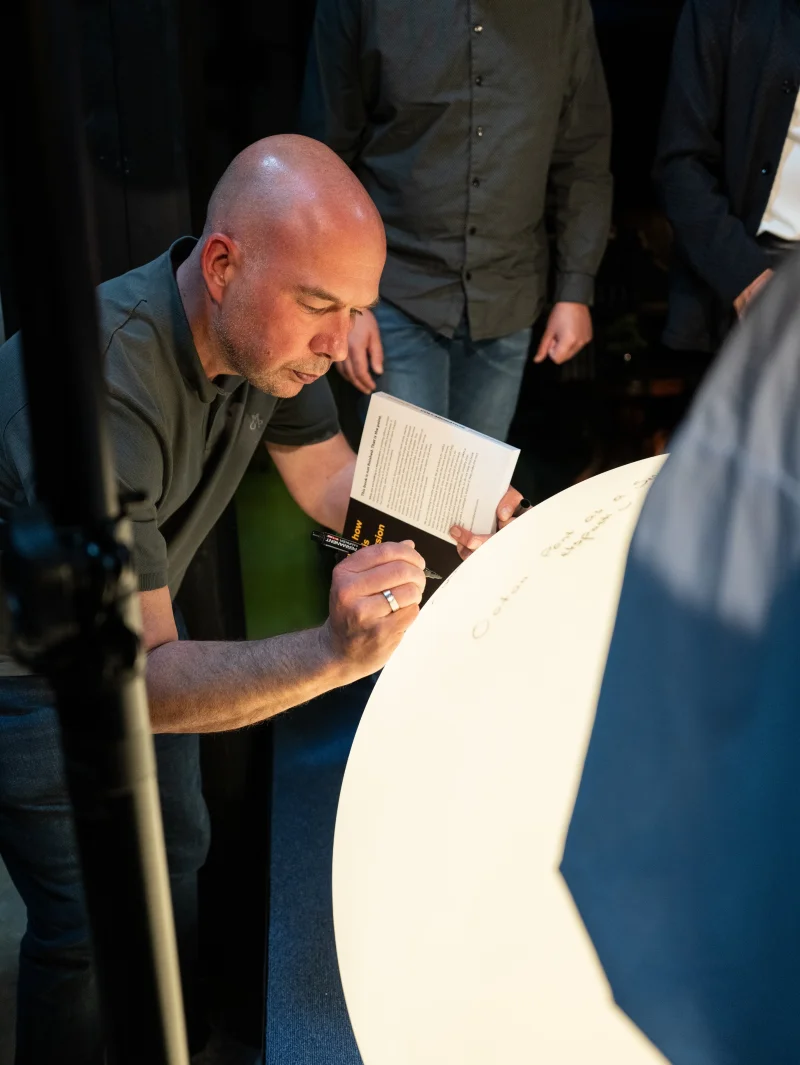
IMPORTANT CHANGE DOESN'T JUST NEED A GOOD PLAN. IT NEEDS GOOD LEADERS.
If your organization is facing an important change, undergoing a complex restructuring, or you want to give your leaders stronger change management capabilities, let's talk. The first conversation is not about selling training. It's about understanding what change you actually need to manage.